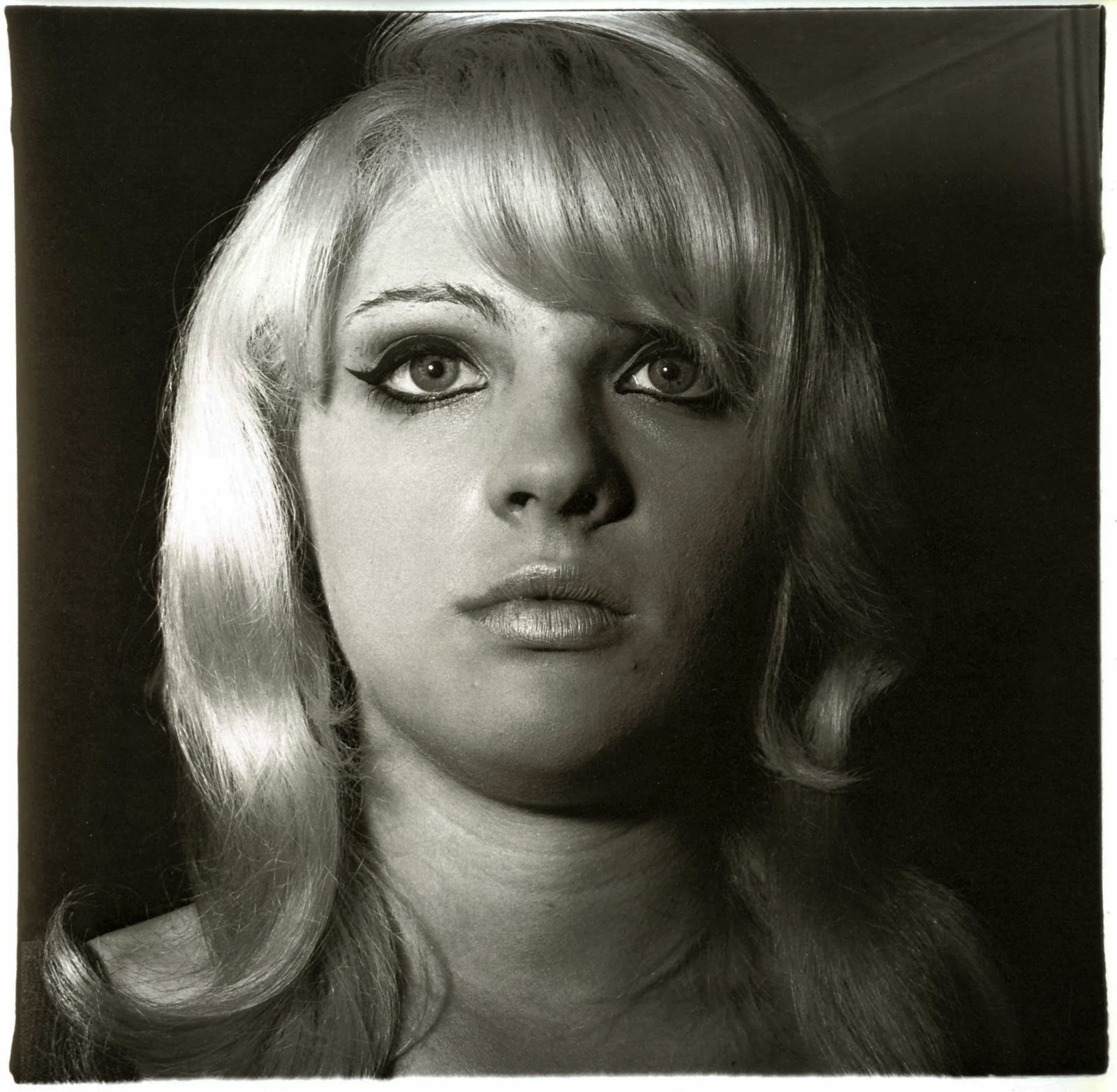
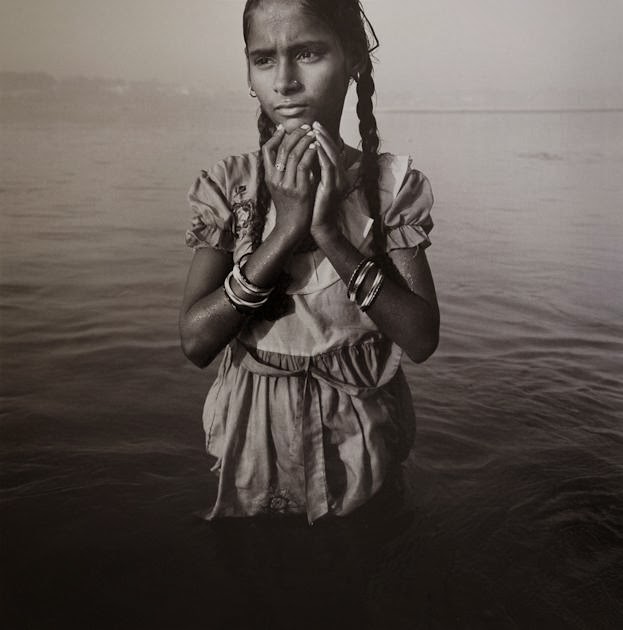
"The camera is an instrument that teaches people how to see without a camera." - Dorothea Lange
Showing posts with label Helen Levitt. Show all posts

Saturday, February 01, 2014

diane, helen, mary ellen and me

I'm going to school today. Not as a student, but as a teacher. 

Today we will be talking about inspiration. Here is the gist of what I'll share about the work that has informed mine over the years. I'll be showing the bleary eyed students 100 images, some of which I'm including here.


My Sister Playing Pool, c. 1963

Believe it or not, I started taking pictures when I was 2½.  What inspired me then? Certainly there were pictures around me: billboards, magazine covers, our 8mm family movies, pictures in books, drawings and paintings hanging in the houses of friends and family, etc. but back in 1957 there was not the bombardment of images there is today. It was a much quieter time visually, and I think I probably got my inspiration simply by discovering and carefully considering the things around me: my toys, my friends, my family and sights I saw on family vacations.

I took my camera almost everywhere and used its viewfinder to frame and record my world. I obviously took great pleasure in making time stand still and then, investigating those moments over and over again once the pictures were developed and printed. So, discovery and documentation were my early inspirations. Turning an ordinary moment into something special and maybe even monumental gave me a sense of control and creativity. I think I ended up with a fuller understanding of my childhood world by making pictures of it.

I learned how to develop my own pictures when I was in middle school and in high school I built a darkroom in our basement. Photography itself had become my inspiration.


The first picture I remember truly knocking me out was Identical Twins by Diane Arbus. I was 18 years old and had just headed off to college. The image was on the cover of her book; I think I saw it in the bookstore on campus. Once I bought a copy, I could barely turn the pages, because I couldn’t believe there could be possibly more images that powerful and strange and breathtaking.

What struck me? Honestly, I think part of it has to do with the fact that these girls resembled pictures I’d seen of my mother, grandmother, great aunts and even pictures of me as a young girl. I saw myself in them.  If I used my imagination, I could invent a story about them that was similar to mine. I felt a kinship to them.

Arbus thrived on going to new places, putting herself in new situations, feeling uncomfortable, getting to know people she probably wouldn’t meet if it weren’t for her camera. She believed that most of us would never see many of the things she photographed if it weren’t for her pictures. She was fascinated by people, especially those who carried some kind of physical or psychological burden. What was Arbus telling us about herself that she felt a need not only to photograph these people, but also become their friends? You’ll hear words like voyeurism, exploitation, disturbing, unsettling and tragic when people talk about her work, but from the first time I saw them, these pictures inspired me with their formal beauty, their starkness, their secrets and their unflinching honesty. I thought they were intimate and brave. I was inspired by the way the subjects trusted her and revealed themselves to her.

There are two other photographers who have greatly inspired me: Helen Levitt and Mary Ellen Mark.

Helen Levitt is best known for the quiet, lyrical images she made on the streets of New York City in the 1930’s and 40’s. I have always been inspired by her tender and witty approach and her ability to formally structure an otherwise chaotic or messy scene. I got to meet Helen shortly before she died at the age of 95, and she told me that taking good pictures involves LUCK! For years she roamed the streets, mainly in Spanish Harlem, waiting to come upon scenes to photograph; she had nothing to do with making them happen and she basically felt that she was simply in the right place at the right time more often than not. She thoroughly enjoyed capturing moments that unfolded before her. I am inspired by her sense of wonder and discovery. Because of her Helen Levitt’s pictures, I truly believe in the magic of image making. Her work has taught me to look around very carefully and closely, but mostly, it has taught me to be open to what is in front of me, to trust my intuition and to be willing to take a chance on the subtle beauty and poetry that surrounds me.

Mary Ellen Mark inspires me in yet other ways. She has portrayed - both journalistically and in her own personal projects homelessness - drug addiction, gypsies, circus performers and prostitution, among other things. Her style is direct and often formal, but she manages to skew the frame or use the edges in such a way as to make the images slightly unsettling. She believes that reality is always extraordinary. Like Arbus, Mary Ellen is interested in people on the fringes. She has always felt an affinity for people who can’t seem to catch a break. She is inspiring to me because she believes it’s important to acknowledge their existence and to give these people a voice. Her pictures represent a celebration of the human condition… something I aspire to accomplish with my own work.


So these three women inspired me early on and continue to inspire me today… each in a different way. One thing they all have in common is the ability to elevate something ordinary to the extraordinary. This, in a nutshell, is probably the way they have inspired me the most. Ultimately, I think knowing and studying their work has pushed me to try to become the best photographer I can be – to have a diligent work ethic, to learn how to speak with my own voice and to honor and celebrate the human condition. It’s true that many of my pictures, especially my early work, bring their pictures to mind. In preparing this presentation, I took the time to look back at several of my own bodies of work to see if I could easily find nods and references to photographs these incredible women have made. I was pleasantly surprised by what I found. I’m going to scroll through some of those I pulled, and you can see for yourself how the lessons I’ve learned from Arbus, Levitt and Mark have woven their way into the tapestry of photographs that I call mine.


Diane Arbus


Helen Levitt


Mary EllenMark


and me


Thursday, August 01, 2013

95 lives


Tanya Sleiman is making a documentary about Helen Levitt. 

Hurrah! 

(As most of you know, I love everything Helen Levitt.)

I've been in touch with Tanya, and I am excited to see her project unfold. She ran a successful Kickstarter campaign and is well on her way to completing the project.

Here's a bit about Tanya:

"A documentary filmmaker and teacher with a prior career in higher education, Tanya currently teaches film and television production in California and recently taught with NYU Tisch School of the Arts as the 2011 on-site Program Director for documentary film and photography in Cuba. Tanya is drawn to character portraits and visual essays. Her 2008 short essay 'A Chronicle Of Concrete' screened on PBS, in international festivals and US exhibitions, including New York's favorite summer screening series, Rooftop Films. Her 2009 documentary 'Iraq in the USA' was featured on California Public Radio for its vibrant collective portrait of Iraqi refugees in a new wave of migration to US shores. In 2008, Tanya dove into her exploration of Helen Levitt’s legacy, sharing a 30-minute film version at Cantor Arts Center for their exhibit 'In a New York Minute: Photographs by Helen Levitt' (April, 2011)." 

And here's a two-minute trailer for "95 Lives."


Wednesday, August 25, 2010

street/fair photography

Helen Levitt, NY, circa 1940

I read a well-written account by photographer Blake Andrews today about his attempt to make pictures at his local fair. I received his permission to share it.

Blake mentions Helen Levitt, among others, when he wonders if street photographers from back in the day would be arrested in today’s environment for photographing children without asking permission. There are countless other well known photographers he could have included, of course, but seeing Helen’s name reminded me of part of the conversation we had when I visited her a few months before she died. I had asked her if she felt she could make the same pictures today that she became famous for. An emphatic NO. She explained that it’s simply no longer safe for children to play outside on their own, that most people become overly suspicious of a person with a camera and that even if she was younger and healthier she’d have no desire to subject herself to the verbal and possible physical abuse of the nutcases who have those suspicions.

Remember that when Helen was making street pictures in the early years, she often used a device that allowed her to point her camera in one direction and make an image of what was actually at a 90 degree angle to that. (Walker Evans’ subway pictures were made with a small “spy” camera that he attached to his jacket.) Even in the 40’s and 50’s, then, photographers were aware of the suspicions aroused by using their cameras in public places. Blake Andrews is right, though, in pointing out that the suspicions have escalated to unbelievable and scary heights. At the rate we're going, the genre of street photography as we’ve known it is likely to become history.

The experience that Blake recounts here is not unlike what many photographers frequently encounter in this day and age.

FAIR QUESTIONS
From Blake Andrews’ blog

“I used to roughly measure my productivity by the frequency of getting hassled while photographing. Cops, landlords, neighbors, angry pedestrians, I've dealt with all of them. Which was good. I figured if I was stirring things up it meant I was sticking my nose in the properly sensitive areas. After all most things worth censoring are worth seeing. 


Lately the hassle-meter has fallen off some, and it had been a few years since I'd been accosted for taking photos. I'd allowed myself to believe I was past all that. Wrong. Last Friday while shooting at the Lane County Fair, I was quietly surrounded by a small bevy of security guards in mirrored sunglasses. 

You street photographers and petty criminals know the drill. Stay where you are. ID please. Get your hands out of your pockets where we can see them. What's your name? Where do you live? Who do you work for? Why are you taking photographs? What are you going to do with them?


Bubble pricked. All these questions out of nowhere. I was a bit unprepared. Why am I taking photographs? What am I going to do with them? I've spent my life trying to answer those questions. The answers are quite complicated. Should I really get into that? No, probably not. Instead I went for the direct approach.


’Yessir, Nosir, Rightawaysir. Name'sblakeandrewssir. Er, what'sthisallaboutsir?’


We saw you taking photographs of children.


Aha! The real issue surfaces.

’Yeah, I was. I take photos of whatever I see at the fair. Kids. Grownups. Rides. Stuffed animals. Is that ok?

’

You can't take photos of children without permission.

’

Why not?

’

Who knows what you might use them for. A web site. A magazine. Something pornographic maybe? In this age you can't tell. I'm not saying you're doing all that but you understand our concern.

'

I'm not sure how I could take pornographic photos at a fair.

’

People do all sorts of stuff with computers nowadays. Get rid of clothes, alter postures, you name it.

’

Yessir, absolutely.’


You know what I'd do if someone did that to my kids?

’

Nosir. Whatsir?

'

Let's just say there'd be trouble. You got any kids? Would you be ok with someone photographed them secretly?

’

Yeah, I've got three kids. I have no problem with anyone photographing them.

'Well anyway, it wasn't just that you were taking photos of kids. It was how you were doing it. You were being sneaky. When I take a photo of my own kids I make sure they know I'm doing it. I ask them to smile. If it's not my own kid, I ask the parent's permission. We saw you taking photos like this (clasps hands in front of chest), without even looking. That's not appropriate at the fair.'


They'd scouted me well. I'd been shooting sometimes from the hip, apparently against fair convention. But that's how I tend to approach a busy frantic scene like a fair. When I have time to line something up I pause and look through the viewfinder. But when I see something in passing I react quickly, often before I can I stop and look. Sometimes from the hip, or more commonly the chest. I mix it up. I don't plan. Some of my best shots have come that way, along with many of my worst.


We talked a little longer while one of the cops ran my license through the bad-guy database. I noticed that they were carefully positioned on all sides of me, as if I might take off running. Then I was summarily booted from the fair, told not to return during any of the remaining days of the event. Which would have been ok considering that after the interrogation I wasn't in a mood to take any more photos that day. The problem was I'd been planning to come back on Sunday with Tab and the kids. 


On Sunday morning I shaved my beard, put in contacts, donned my sunglasses, and left my ratty cap and backpack at home. I'm not sure if I looked like a different person. I know that without a camera I felt and acted like one. I walked around the fair with my kids, ate junk food, enjoyed the rides. It was the first time in a long while I'd been out without any cameras. We spent a few hours, then left without any hassle.

Blake Andrews, Oregon State Fair, 2006


I don't mean to add to the pile of ‘street photographer accosted’ stories. I know this is just a drop in the bucket. It happens all the time, and in the grand scheme of things it's pretty insignificant. Certainly it doesn't compare to a Hispanic hassled in Arizona or an Arab hassled at airport security. That's a real hassle.


But I would like to ask the question, when did it become wrong to take photographs of children? Why is that wrong? Kids are the most carefree, spontaneous, unself-conscious humans on the planet. Why is it wrong to capture that? I can think of a few reasons, from basic privacy concerns to the increasing segmentation of childhood as a special zone in life with its own special rules, to a general societal paranoia which has draped itself all over the current epoch. I think all of these reasons can be easily debated, but there has been no debate. Instead the unwritten rule is ‘No photographing kids, period’ and don't argue about it.


The result is that the more discouraged people are from photographing kids, the less common it is, and the stranger it seems when it happens. It's a vicious circle. To paraphrase the NRA, if photographing kids is outlawed, only outlaws will photograph kids. We're basically creating a criminal class from scratch, for no clear reason. It makes me wonder if Helen Levitt or Lewis Hine or William Klein could make their photos of children in today's environment, or would they be arrested?”